A summer workshop on scratch cooking with local grains is helping change the way meals are prepared in Geneseo schools, one recipe at a time.
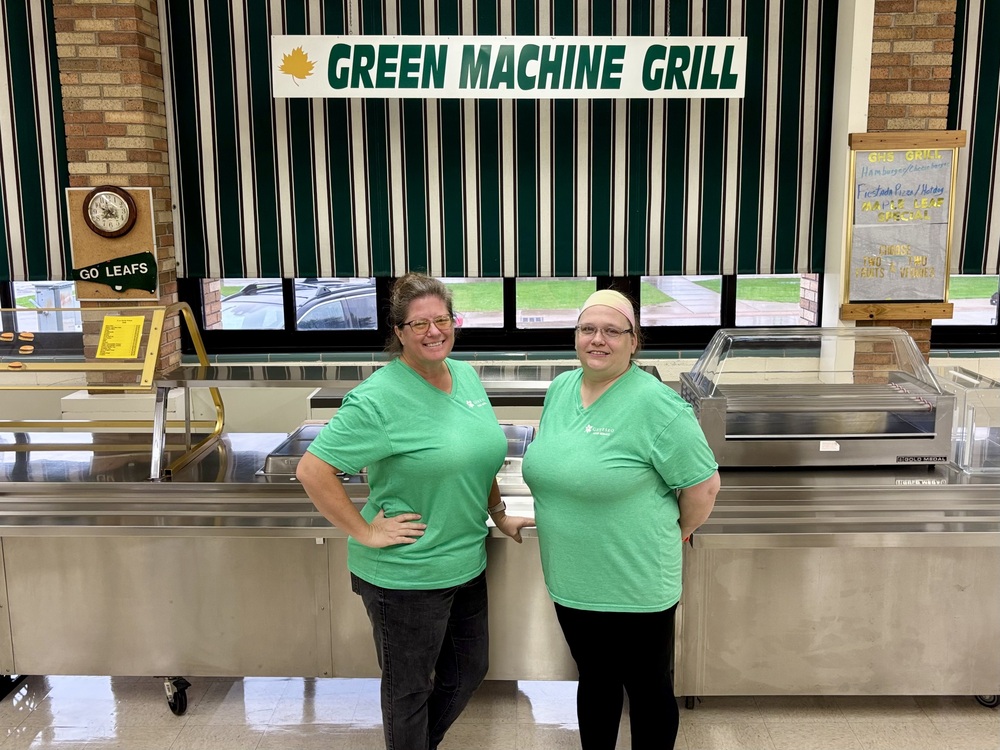
Kathy Young, manager of the Geneseo High School cafeteria, and Misti Olson, manager of Millikin Elementary’s cafeteria, attended the workshop to learn more about scratch cooking, which involves preparing meals from raw, whole, and unprocessed ingredients rather than using pre-packaged, frozen, or canned convenience foods.
Now, they are sharing what they learned with food service employees throughout the district, with the goal of offering students meals that are fresher and healthier while also supporting local producers.
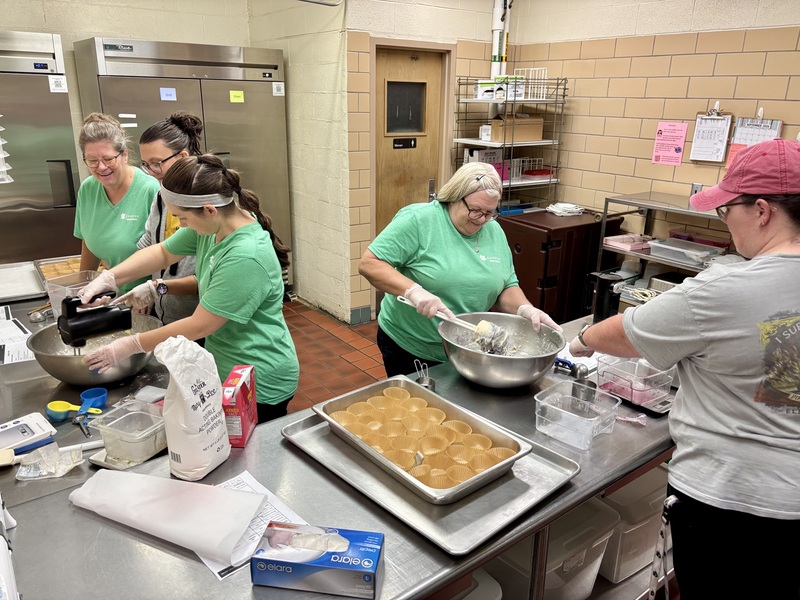
During the workshop, participants prepared a variety of foods from scratch, including pizza and pizza sauce, pancakes, muffins, cornbread, and biscuits. The experience gave Young and Olson ideas they could bring back to Geneseo and, just as importantly, knowledge they could share with their coworkers.
“Our goal is to eventually start using local grains,” explained Olson. “We're first implementing it with breakfast items such as pancakes and muffins. This is a change from what we've been doing, so there's a learning process.”
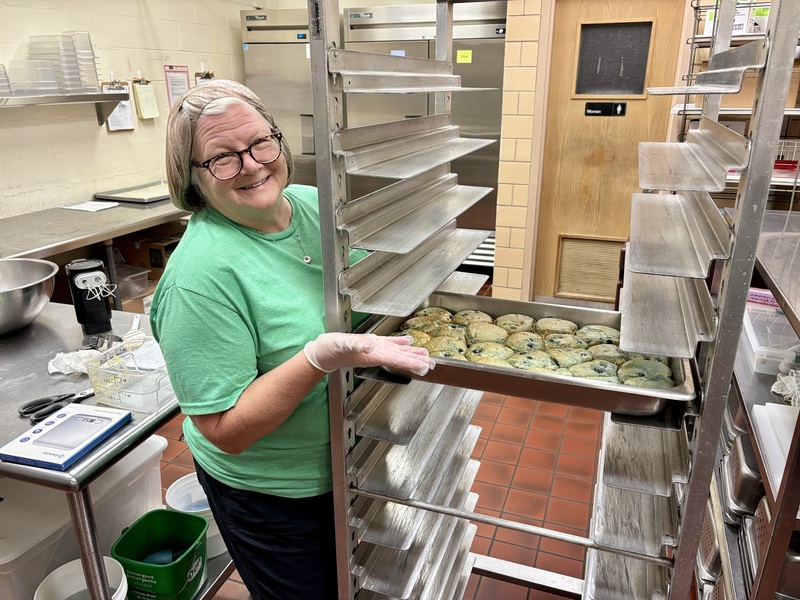
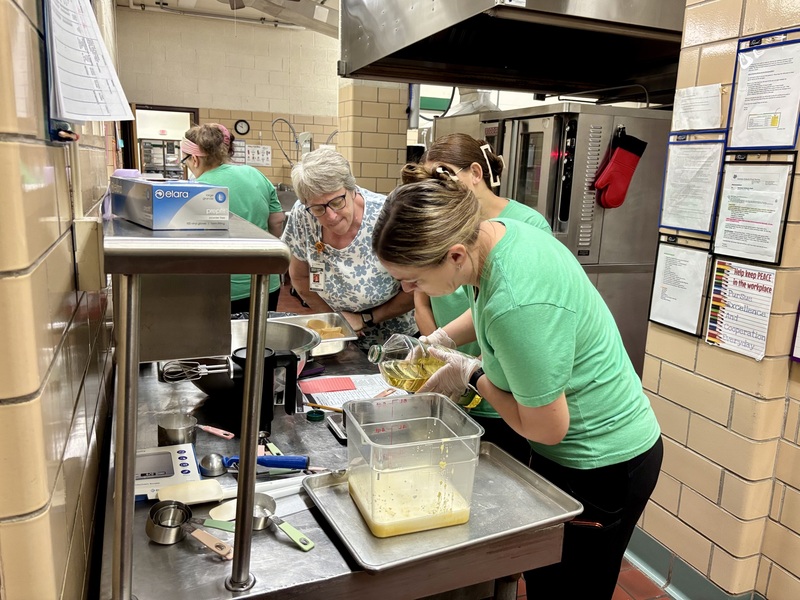
The district used a school improvement half day on Wednesday as an opportunity for cafeteria staff from across Geneseo schools to gather at the high school and practice making the new items. But the overall effort is about more than simply changing a recipe or two.
“Our goal is to make school food healthier, more cost effective, and better tasting,” said Young.
GHS has already been gradually incorporating more scratch cooking into its menus. Staff make granola in-house and have added scratch-made sauces, salad dressings, and macaroni and cheese.
“We can control the amount of salt, sugars and whole grains that goes into what we’re making,” Olson said. “It's not all processed.”
Geneseo’s food service workers also hope the increased use of locally sourced ingredients can benefit the surrounding agricultural community.
“We are trying to implement more locally grown, sourced foods,” Olson said.
For Olson, introducing scratch cooking also means understanding that students of different ages have different tastes. Younger students, she said, can be more accustomed to familiar foods such as chicken nuggets and mac and cheese, while older students may be more willing to try new flavors.
The district is finding ways to let students have a voice in the process. At the high school, Young uses student surveys and taste tests to gather feedback on new dishes. Some of those trial items have eventually become menu offerings.
The approach includes regular opportunities such as “Try It Thursday,” held twice a month, along with special feature days. Scratch-made fried rice was added to the GHS menu this year, and orange chicken, which is a favorite among high school students, is now offered at all schools. Other dishes that have generated interest include buffalo chicken melts, bacon-jalapeno cheeseburger pizza and scratch-made penne macaroni and cheese.
“Small changes lead to big changes,” Olson said.
More training sessions are planned, with future lessons expected to focus on scratch-made lunch items such as pizza and other recipes, and a general effort to make scratch cooking feel manageable for employees throughout the district.
“We're really eager to try and help teach some of the other buildings that it's not as scary as it sounds like making things from scratch,” she said. “It doesn't have to be overly intimidating.”
National School Lunch Week will take place from October 12-16, 2026, with a theme of "Cafeteria Circus." The week will celebrate the energy, skill, and magic of school nutrition staff who manage meals like ringmasters under the big top. Created in 1962, National School Lunch Week highlights the importance of healthy school lunches and the positive impact of the National School Lunch Program, which serves nearly 30 million children every school day.