When Nikki Pierce returned to teaching in 2006 after a few years at home with her children, she already knew her way around an elementary classroom. What she needed was someone to help her navigate the little things that come with joining a new school district.
Where should she park? Where did teachers eat lunch? What lesson plan format did administrators prefer for evaluations? Did staff members ever get together outside of school? Fortunately, Pierce had a mentor to help answer those questions and make her feel at home.
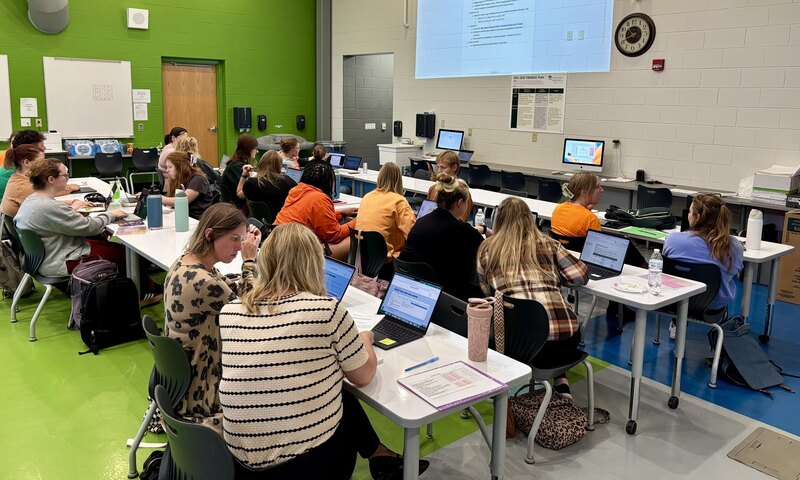
Now, as a fifth-grade teacher at Millikin Elementary, she is helping ensure new teachers receive that same support. Pierce, along with Assistant Superintendent/Chief School Business Officer Tim Gronski, oversee a mentoring program that aims not only to help teachers grow professionally, but to build a sense of belonging that encourages them to stay for years to come.
A Foundation for Success
The district's mentoring program originally operated as a state-sponsored program, with mentors receiving training through the Regional Office of Education and stipends funded by the state.
When state funding and support went away, the district decided mentoring remained important enough to continue on its own. The program was incorporated into the Geneseo Education Association contract, allowing teachers to serve as mentors and receive a stipend for their work.
The program serves two groups of employees: teachers new to the profession participate for two semesters, while educators who are new to the district participate for one semester. This year, 11 pairs are participating in the two-semester program and 10 pairs in the one-semester program.
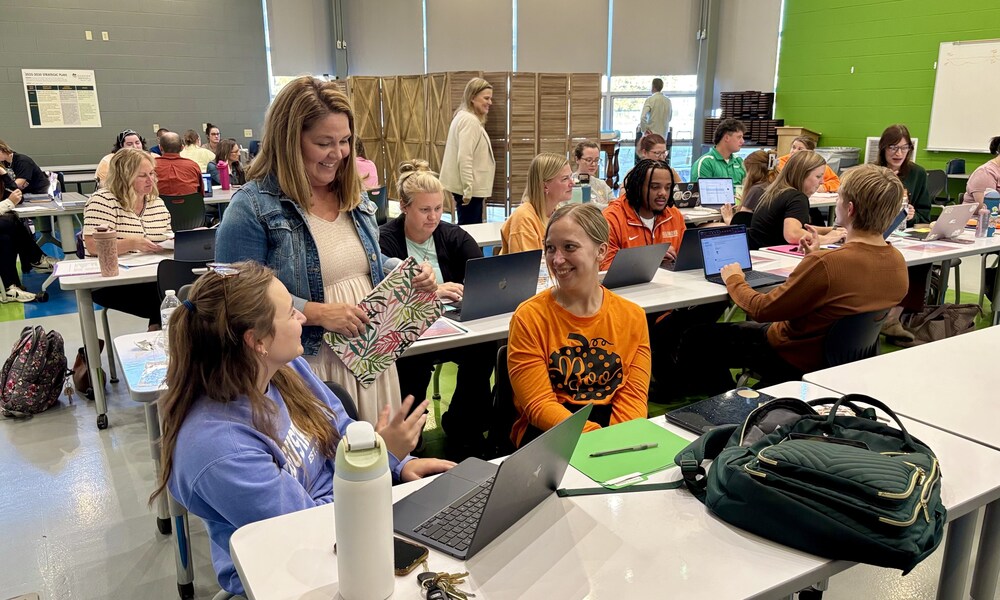
Mentors and mentees have three designated meetings each semester, generally held monthly, with specific topics and checklists to guide their conversations. However, Pierce said the work extends well beyond the scheduled meetings.
"Each pair meets very frequently. Some at the beginning will meet daily, some will meet weekly," Pierce said. "They have very frequent check-ins as things are coming up in their buildings or as the need arises. For the new teachers, the mentors are their go-to person."
The district tries to match mentors and mentees based on their buildings, grade levels, departments or subject areas whenever possible. Mentors apply in the spring for the role, with approximately five years of teaching experience serving as a general target. But Pierce said experience is only part of what makes a good mentor.
"It's everything that factors in," she said. "It starts with making sure that every new teacher walks into our first day in-service with someone so they don't feel alone, because that can be an overwhelming feeling."
That support can include introducing new teachers to colleagues, inviting them to sit together during meetings, and helping them understand the district's everyday routines and expectations.
While new teachers often need guidance with curriculum, classroom management, and instructional practices, educators arriving from other districts face a different adjustment.
"Even with a few years of experience, it can still be challenging to learn a new school in a different district," Pierce said.
For those educators, the focus is often on understanding Geneseo's particular procedures, protocols and ways of doing things.
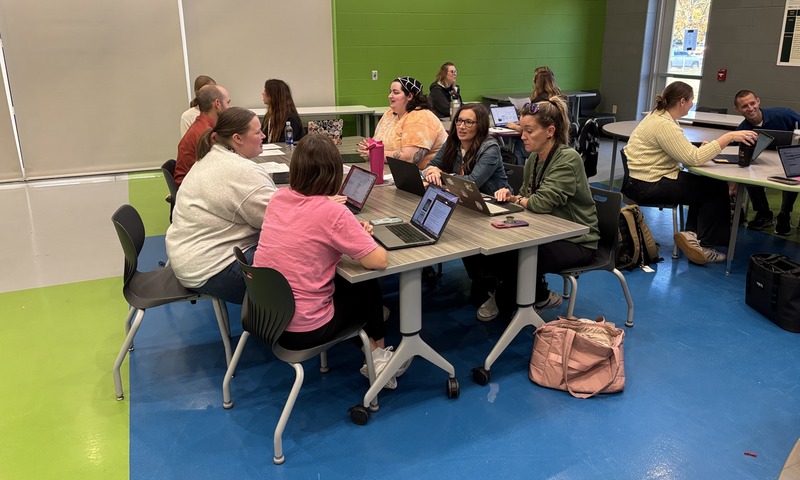
The program’s meetings cover topics such as evaluations, professional expectations and required documentation, while mentors have flexibility to address whatever challenges their mentees are facing. Classroom observations are also encouraged, giving teachers opportunities to learn from one another's approaches to instruction, classroom management and transitions.
Pierce said the mentoring program works alongside other district resources, including building instructional coaches, to support new educators. The goal is to provide the right assistance at the right time, whether that means help with lesson planning, organizing substitute plans, communicating with parents, or navigating an unfamiliar procedure.
Ultimately, Pierce explained, the program's greatest measure of success is whether teachers feel comfortable and supported enough to build a future in Geneseo.
"I think our true goal is to help them feel like they belong in our district," she said. "We really want to retain those teachers and keep them here."
Pierce knows firsthand that even experienced teachers benefit from having someone in their corner. Those seemingly small details, she said, can make a significant difference in helping someone feel at home.
Learning from One Another
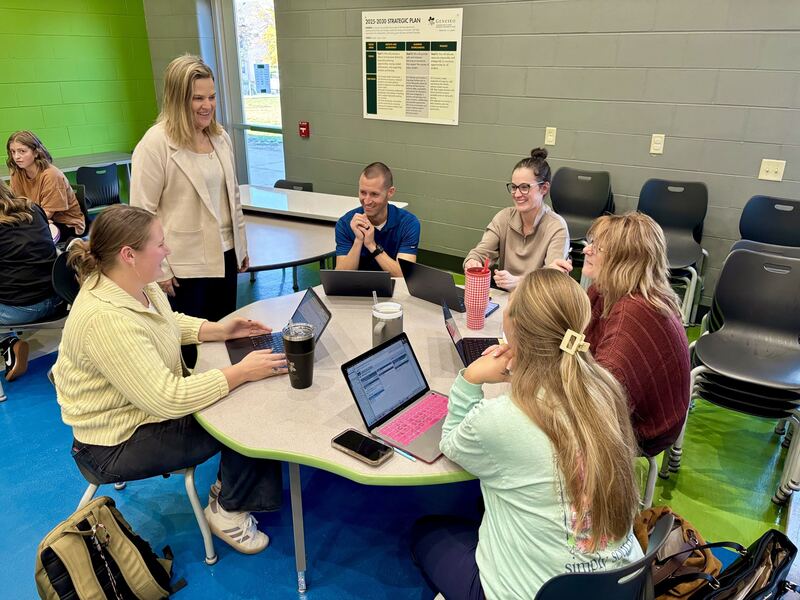
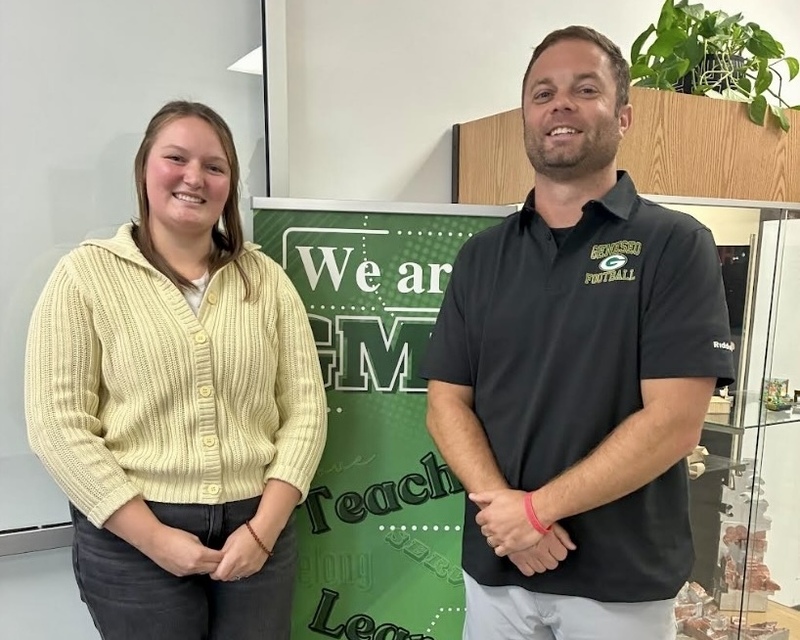
For Geneseo Middle School sixth-grade math teacher Brad Monier, being a mentor means offering more than answers. It means creating an environment where a new teacher feels comfortable asking questions, sharing concerns and learning through experience.
Monier is mentoring sixth-grade social studies teacher Maya Bieneman, who is navigating her first year in the classroom.
"My role as a mentor is to be a resource, provide guidance, and support a first-year teacher as they navigate the challenges of their first year," Monier said. "I want to help them feel comfortable asking questions and sharing concerns. I want to encourage them to take risks without fear of failure or making a mistake."
Their monthly meetings provide an opportunity to discuss what is going well, address challenges, and prepare for upcoming responsibilities. Conversations can cover classroom management, lesson planning, student engagement, parent communication and district expectations.
A monthly checklist provided by the district helps guide those discussions, but Monier said he allows Bieneman's immediate needs to determine their priorities. He also emphasizes that mentoring is not a one-person effort. Support from colleagues, instructional coaches and other teachers throughout the middle school helps create a broader network for new educators.
"I recognize that every teacher is different, so I try to provide support that fits their individual needs while encouraging them to reflect, problem-solve, and become more independent in their decision-making," Monier said.
Bieneman said having an experienced teacher available from the beginning has made a considerable difference in her transition.
"Overall, my experience with the mentoring program has been great,” she said. “It has been very helpful to have a veteran in the building there to answer all my questions and put me at ease in the first few weeks of school.”
Although the two teach different subjects, Bieneman said Monier’s guidance on classroom management and parent communication has been especially valuable.
Their conversations have continued to address the many first-time experiences that come with teaching. Most recently, Monier helped her prepare for sixth-grade student-led conferences, explaining what to expect, what materials to have ready, and what questions parents might ask.
"As I continue to go through many firsts, these conversations have continued to be very valuable," Bieneman said. "I also always have an opportunity to ask questions or express any concerns."
For Monier, one of the clearest signs that mentoring is working is seeing a new teacher become more confident and increasingly comfortable making decisions independently. He said Bieneman has made that process particularly rewarding.
"I'm pretty spoiled being Maya's mentor as she is a true professional that is knowledgeable, reflective, and eager to grow and learn," Monier said. "She's already a great educator and I'm just hoping not to mess her up!"
Bieneman said the program has helped her feel more confident and connected to the district, particularly during the sometimes-overwhelming first weeks of a teaching career.
"The mentoring program has greatly increased my confidence and sense of belonging as a first year teacher," she said. "It was really comforting to have somebody to help me from day one to answer questions and help me adjust to a new environment."
Geneseo's mentoring program may begin with one experienced teacher and one new colleague, but ultimately it’s about supporting teachers and ensuring they know where to turn for help when it’s needed.
“Professional growth is an ongoing process,” said Pierce. “The more we can be there for our new teachers, the more we’ll build their foundations, add to our culture, and strengthen our district as a whole.”